Sketchy Seller Alarm: 7 Questions That Separate Real CBD From Gas Station Junk
Photo: EllalineSeoul, CC0, via Wikimedia Commons
CBD is sold everywhere in America — gas stations off I-40, Instagram ads between cat videos, and that one friend from book club who just joined an MLM. And here's the uncomfortable truth: a large share of it is mislabeled, under-dosed, or flat-out junk.
Since the FDA still doesn't fully regulate the supplement-style CBD market, the burden of quality control falls on you, the shopper. The fix isn't paranoia — it's seven pointed questions that sketchy sellers hate and honest ones welcome.
1. "Where's the Third-Party Lab Test?"
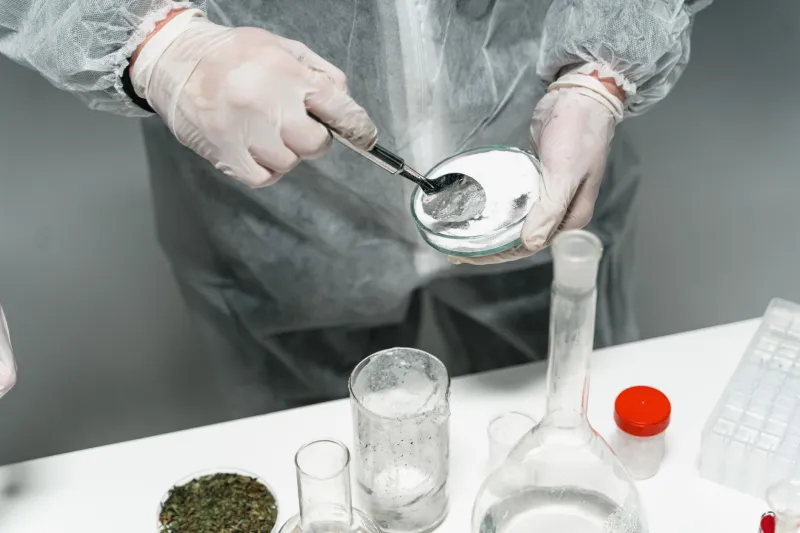
Red flag: "Our formula is proprietary." Honest answer: A QR code or link to a recent certificate of analysis from an independent lab, showing CBD content and THC levels.
No third-party test means you're trusting marketing copy with your money. Real brands publish results for every batch.
2. "How Much CBD Is Actually in Each Gummy?"
Red flag: "Each serving contains hemp extract!" (Extract of what potency? Nobody knows.) Honest answer: A specific milligram amount per gummy, like 10mg or 25mg, that matches the lab report.
Studies have found many CBD products contain significantly less CBD than advertised. Vague labeling is how that happens.
3. "Why Is This So Cheap?"
Red flag: 5,000mg gummies for $9.99. Honest answer: Pricing that reflects real extraction, testing, and quality hemp — usually not bottom-shelf money.
Quality CBD costs money to produce. If a deal looks impossible, the product is probably hemp seed oil (no CBD at all) or synthetic junk.
4. "Where Was the Hemp Grown?"
Red flag: "Imported." Or no answer at all. Honest answer: US-grown hemp from licensed farms, subject to federal THC limits and state agriculture oversight.
American-grown hemp means traceable farming practices and regulatory accountability. "American-grown" is a quality signal, not a slogan.
5. "Does It Contain THC — and How Much?"
Red flag: "Zero THC!" with no test to back it up, or dodging the question entirely. Honest answer: A clear statement — full-spectrum (trace THC under 0.3%), broad-spectrum (non-detect), or isolate — backed by lab results.
If you're drug-tested at work, this question isn't optional. If the seller can't answer it, walk away.
6. "What Else Is in It?"
Red flag: Ingredient lists that read like a chemistry midterm, or "natural flavors" doing heavy lifting with no details. Honest answer: A short, readable ingredient list — organic hemp extract, pectin or gelatin, real fruit flavoring, minimal everything else.
Wellness products should have wellness-grade ingredients. Corn syrup and artificial dyes don't make the cut.
7. "Can You Tell Me How This Was Extracted?"
Red flag: Blank stare, or "CO2 something?" Honest answer: CO2 or clean ethanol extraction, with solvent residuals shown on the lab report.
Cheap extraction methods can leave behind butane or other solvents. Brands that care will happily explain their process.
The Bottom Line
Notice the pattern: honest sellers have documentation, and sketchy ones have adjectives. "Premium," "pure," and "max strength" mean nothing without a lab report behind them.
Ask these seven questions before your next purchase — whether it's from a checkout counter, a sponsored post, or your well-meaning neighbor's side hustle. The best CBD brands will thank you for asking. The worst ones will hope you never do.