Working Together or Going It Alone: The Real Difference Between Full-Spectrum CBD and Isolates
If you've spent any time shopping for CBD, you've probably noticed that labels can be confusing. Full-spectrum. Broad-spectrum. Isolate. Pure CBD. The terminology gets thrown around like everyone already knows what it means — but most people are just guessing.
Here's the honest truth: the type of extract in your gummy matters. Not in a marketing-spin kind of way, but in a real, biochemical, how-your-body-actually-processes-this kind of way. And once you understand the difference, you'll have a much better idea of what you're actually buying.
What's Actually Inside a Hemp Plant?
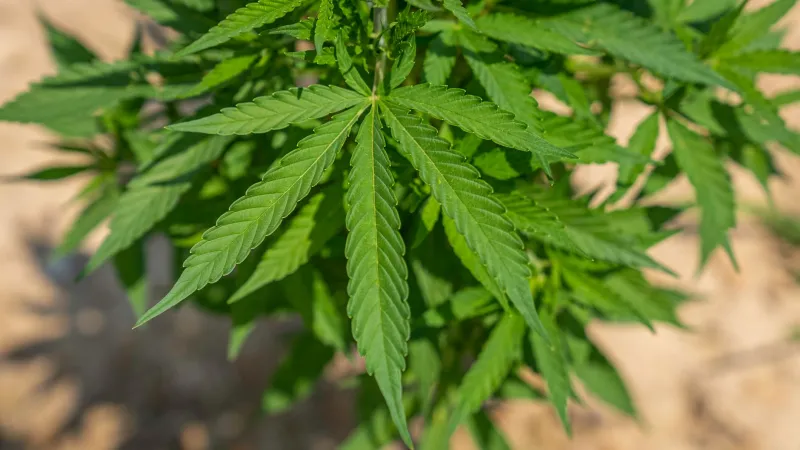
Let's start at the source. Hemp is a remarkably complex plant. Beyond CBD, it naturally produces over a hundred other cannabinoids — compounds like CBG (cannabigerol), CBN (cannabinol), CBC (cannabichromene), and trace amounts of THC (always under 0.3% in federally legal hemp). Alongside those cannabinoids, hemp also generates terpenes, which are aromatic molecules found in everything from lavender to citrus peel. Terpenes like myrcene, linalool, and beta-caryophyllene aren't just responsible for how hemp smells — they may actually influence how your body responds to it.
When manufacturers create a full-spectrum extract, they preserve all of these compounds together. When they create an isolate, they strip everything away until only pure CBD remains.
On paper, the isolate sounds cleaner. In practice, it might actually be leaving the most valuable stuff behind.
The Entourage Effect: A Quick Explanation That Actually Makes Sense
The phrase "entourage effect" was first used by Israeli researcher Dr. Raphael Mechoulam — often called the father of cannabis science — and his colleague Dr. Shimon Ben-Shabat back in 1998. The basic idea is this: cannabinoids and terpenes don't just work independently inside your body. They interact with each other in ways that can amplify, modulate, or even redirect how each individual compound performs.
Think of it like a band versus a solo act. A single musician can be talented. But add a rhythm section, some harmonies, and the right producer, and suddenly you've got something that hits differently. The whole becomes greater than the sum of its parts.
For CBD specifically, early research suggests that the presence of other cannabinoids and terpenes may help it bind more effectively to receptors in the endocannabinoid system — the network of receptors and signaling molecules that helps regulate sleep, mood, inflammation response, and more. Some studies have also pointed to terpenes like beta-caryophyllene directly binding to CB2 receptors on their own, adding another layer of activity that an isolate simply can't replicate.
It's worth being upfront here: a lot of entourage effect research is still in early stages, and we're not going to oversell what science hasn't fully confirmed. But the existing evidence is compelling enough that many researchers and wellness practitioners take it seriously.
So Why Would Anyone Choose an Isolate?
Fair question. CBD isolate does have its place, and there are legitimate reasons some people prefer it.
For starters, isolates contain zero THC — which matters a lot if you're subject to workplace drug testing, have a sensitivity to even trace amounts of THC, or simply want to avoid it for personal reasons. Isolates are also flavorless and odorless, which makes them easier to incorporate into food and beverages without affecting taste.
Some people also report that isolates work well for them at very specific, high doses. There's older research suggesting that CBD in isolated form may follow a bell-shaped dose-response curve — meaning it's effective within a narrow range but less so outside of it. Full-spectrum extracts, interestingly, don't seem to show the same limitation, which could be another point in their favor for people trying to find a consistent routine.
Bottom line: isolates aren't bad. They're just a different tool with different trade-offs.
Full-Spectrum vs. Broad-Spectrum: One More Distinction Worth Knowing
You'll also see "broad-spectrum" on a lot of labels, and it sits somewhere between the two. Broad-spectrum extracts contain multiple cannabinoids and terpenes — similar to full-spectrum — but the THC has been removed through additional processing. It's designed to offer some of the synergistic benefits while keeping THC out of the equation.
The catch is that the removal process isn't always perfect, and it can also strip out some of the other minor compounds in the process. Whether broad-spectrum gets you close enough to the full entourage effect is something researchers are still working through. For now, it's a solid middle-ground option, especially for people who want the synergy benefits but have firm reasons to avoid THC entirely.
Why Greener Farms Goes Full-Spectrum
At Greener Farms, we use full-spectrum hemp extracts because we believe in working with the plant, not against it. Hemp has spent thousands of years developing this complex chemical profile — it seems a little shortsighted to throw most of it away in the name of simplicity.
Our hemp is grown using organic, regenerative practices on American farms, which means the plants themselves are starting from a healthier place. The terpene and cannabinoid profiles that end up in our gummies reflect the care that goes into the soil, the crop, and the extraction process. We think that matters.
We're also transparent about the fact that our full-spectrum products contain trace amounts of THC — always within the federally legal limit of 0.3%. For the vast majority of people, that amount is completely non-intoxicating. But if THC is a concern for you, that's a conversation worth having before you buy.
How to Decide What's Right for You
Here's a simple way to think about it:
- Choose full-spectrum if you want the broadest potential benefits from hemp, you're not subject to THC-sensitive drug testing, and you're okay with a small amount of naturally occurring THC.
- Choose broad-spectrum if you want more of the plant's natural complexity than an isolate offers, but need to avoid THC entirely.
- Choose isolate if you need guaranteed zero THC, prefer a flavorless product, or are working with a healthcare provider who has recommended pure CBD for a specific reason.
There's no universally "best" answer here. Your wellness goals, your body, and your lifestyle all factor in. The important thing is making an informed choice rather than just grabbing whatever's on the shelf.
The Bigger Picture
CBD science is still evolving, and that's actually kind of exciting. Every year, researchers are learning more about how cannabinoids and terpenes interact, and the picture that's emerging suggests that hemp's value as a wellness plant comes from its wholeness — not from any single compound working in isolation.
That's a perspective we find pretty inspiring here at Greener Farms. Real wellness rarely comes from one magic bullet. It comes from systems working together, whether that's the compounds in a hemp plant or the habits you build into your daily routine.
Start with good ingredients. Understand what's in what you're taking. And give your body the chance to respond to the full picture.
That's the whole idea.