Your CBD Habit Has an Environmental Footprint — Here's What That Actually Means
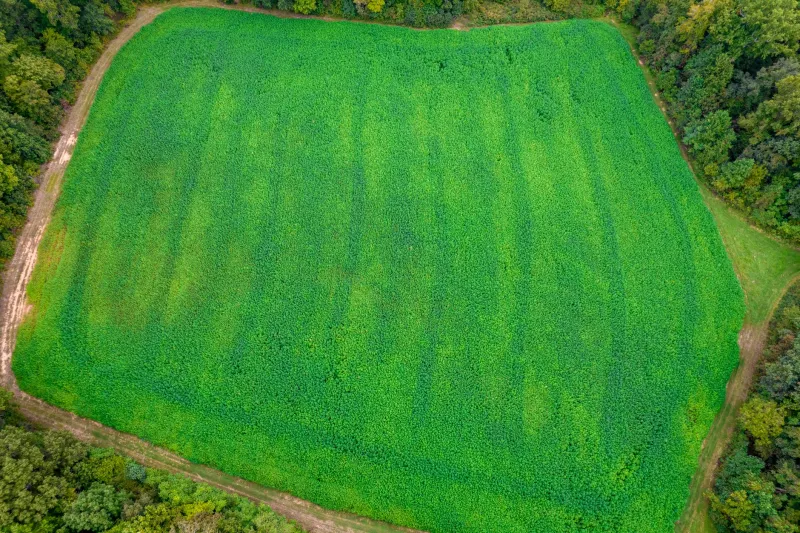
Most people pick up CBD gummies thinking about what they'll do for them — better sleep, a calmer afternoon, some relief after a tough workout. Fair enough. That's kind of the whole point. But there's a bigger picture worth zooming out to see, one that connects your daily wellness routine to something much larger than your own endocannabinoid system.
The hemp plant that ends up in your gummies came from somewhere. It was grown in actual soil, watered with actual water, and processed using real energy. Depending on how all of that happened, your CBD habit could either be contributing to a healthier planet — or quietly doing the opposite. And in a category that markets itself around the idea of natural wellness, that gap matters more than most brands want to admit.
Hemp Is Naturally Sustainable — But Only If You Let It Be
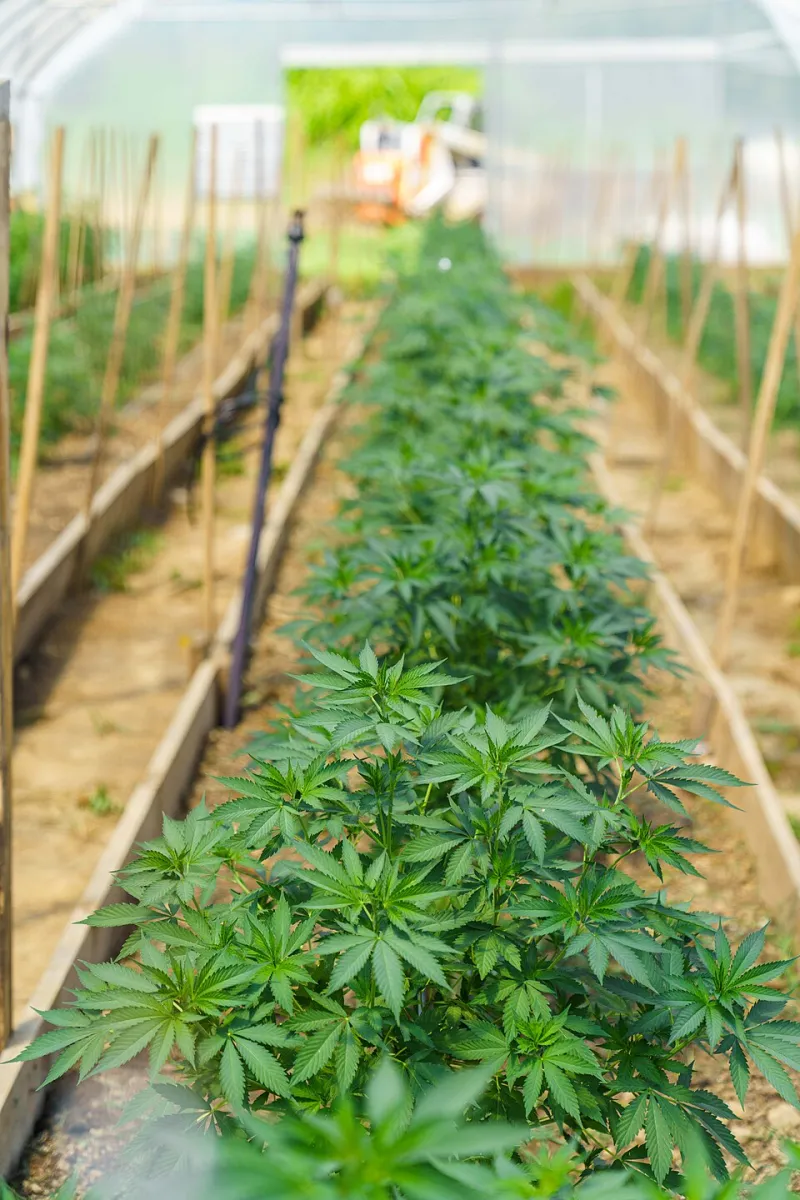
Here's the thing about hemp: the plant itself is kind of remarkable from an environmental standpoint. It grows relatively fast, requires less water than many conventional crops, and has a well-documented ability to pull carbon out of the atmosphere and store it in the soil — a process called carbon sequestration. Farmers have also used hemp for decades in what's known as phytoremediation, essentially planting it to absorb heavy metals and toxins from degraded land.
So on paper, hemp looks like a sustainability win. The catch is that how it's farmed matters enormously. Industrial-scale hemp production — the kind that prioritizes volume and cost-cutting over soil health — can strip a lot of those natural benefits away. When conventional pesticides and synthetic fertilizers enter the picture, the carbon math shifts. When large monoculture operations replace diverse crop rotations, soil biology suffers. When irrigation isn't managed carefully, water usage balloons.
The plant's potential doesn't automatically translate into responsible production. That gap is where consumer choices start to carry real weight.
What Conventional Hemp Farming Actually Costs
Let's get specific, because the details are worth knowing.
Water usage is one of the first pressure points. Hemp is generally more drought-tolerant than crops like cotton, but large-scale operations in drier climates — parts of Colorado, Oregon, and California where a significant portion of US hemp is grown — can still draw heavily on local water systems. Without careful irrigation management, that strain compounds over time, especially as those regions deal with increasingly erratic rainfall patterns.
Pesticide and herbicide use is another issue. Certified organic hemp farming prohibits synthetic chemical inputs, but not all hemp is grown organically. Pesticide residues don't just affect the crop — they move into surrounding ecosystems, affect pollinators, and can leach into groundwater. Given that hemp is a hyperaccumulator (meaning it readily absorbs whatever is in the soil around it), conventional pesticide use also creates real concerns about what ends up in the final product. That's a wellness issue, not just an environmental one.
Soil health is arguably the most underappreciated dimension of this conversation. Conventional farming methods that rely heavily on tilling and synthetic inputs tend to degrade the microbial communities that make soil productive over time. Healthy soil isn't just dirt — it's a living ecosystem that stores carbon, filters water, and supports plant nutrition. When that ecosystem breaks down, you need more inputs to get the same yields, and the land becomes progressively less resilient.
Carbon emissions round out the picture. Processing and extraction facilities, packaging supply chains, and shipping logistics all contribute to a CBD product's total carbon footprint. A brand sourcing hemp from a certified regenerative farm but shipping everything in non-recyclable plastic packaging is only solving part of the equation.
What Regenerative Farming Changes
Regenerative agriculture is a step beyond organic. Where organic farming focuses on what you don't do (no synthetic chemicals, no GMOs), regenerative practices are actively focused on building something — restoring soil biology, increasing biodiversity, and creating farming systems that give more back to the land than they take.
For hemp specifically, regenerative methods might include cover cropping between growing seasons to prevent soil erosion and add nitrogen naturally, integrating hemp into diverse crop rotations that support long-term soil health, using compost and natural amendments instead of synthetic fertilizers, and maintaining buffer zones around fields to protect local waterways and wildlife.
The result isn't just a cleaner product — it's a farming operation that measurably improves the land it sits on over time. That's a fundamentally different relationship with the environment than conventional agriculture, and it's the kind of approach that can genuinely support the long-term viability of American hemp farming.
The Questions Worth Asking Your CBD Brand
Not every company makes it easy to dig into their sourcing, but the right questions can tell you a lot about where a brand actually stands.
- Where is your hemp grown? Domestic, US-grown hemp is subject to USDA oversight. Imported hemp operates under different regulatory frameworks and often less transparency.
- Is your hemp certified organic? Third-party organic certification means something specific and verifiable.
- Do you use regenerative farming practices? This goes beyond organic and signals a more proactive environmental commitment.
- What does your third-party lab testing show? Clean lab results — no pesticide residues, heavy metals, or contaminants — are the evidence that good farming practices are actually working.
- What does your packaging look like? Recyclable, minimal, or compostable packaging is a reasonable expectation from a brand that claims to care about sustainability.
If a brand can't or won't answer these questions, that's useful information too.
Why This Connects Back to Your Wellness
It might seem like a stretch to frame planetary health as a personal wellness concern, but the connection is pretty direct. Hemp grown in healthy, uncontaminated soil produces a cleaner raw material. Cleaner raw material means fewer unwanted compounds in your extract. Fewer unwanted compounds in your extract means a purer product in your body.
Beyond the biochemistry, there's something to be said for the peace of mind that comes from knowing your choices are aligned with your values. If you're reaching for CBD because you want to feel better and live more intentionally, it's worth knowing whether the brand you're buying from shares that orientation — or is just wearing the language of wellness as a marketing costume.
At Greener Farms CBD, sustainability isn't a tagline we slap on a product page. It's embedded in how we think about what we're building — from the farms we source from to the standards we hold ourselves to. We think clean hemp and clean farming practices are inseparable, and we think you deserve to know exactly where your wellness products come from.
The CBD industry is still young enough that consumer expectations can genuinely shape how it develops. The brands that are cutting corners on sustainability today will keep doing it as long as buyers don't ask better questions. And the ones investing in regenerative practices, soil health, and transparent sourcing will grow if consumers reward that commitment.
Your wellness choice really does matter — for your body, and for the land that makes it possible.