From Soil to Supplement: How Regenerative Hemp Farming Is Rewriting the Rules of American CBD
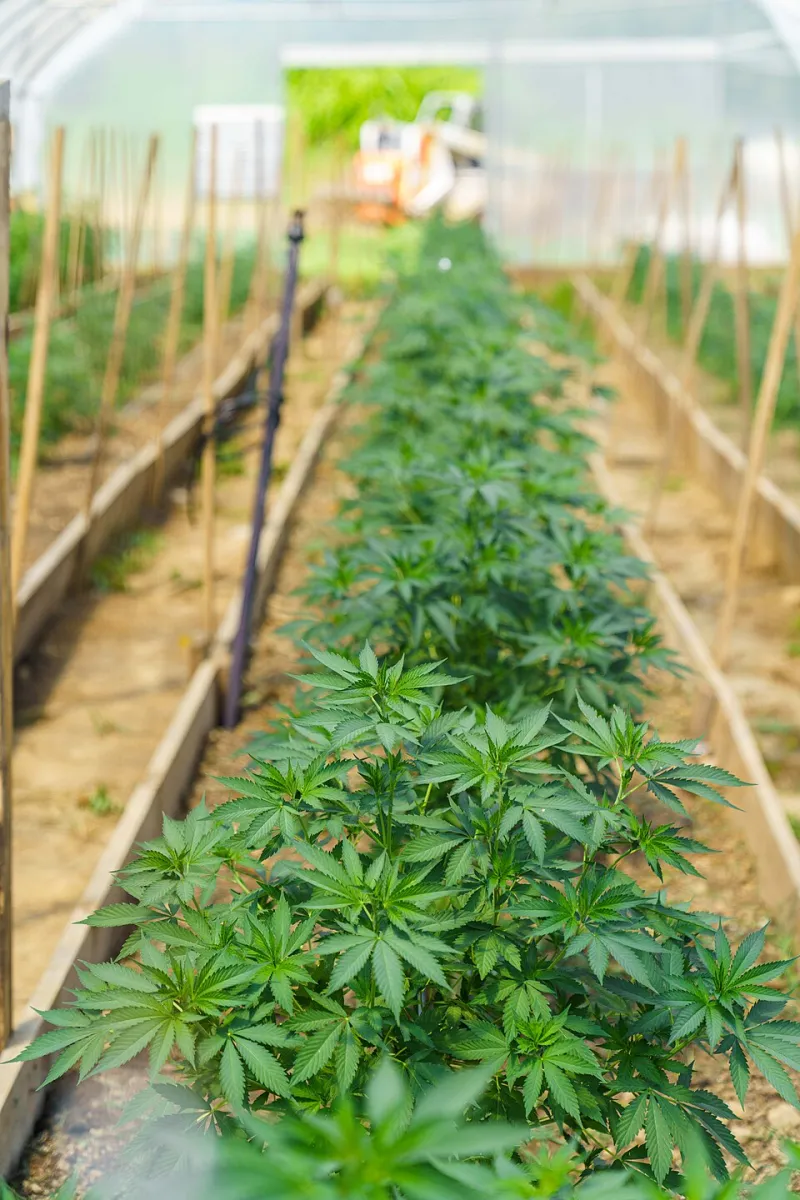
Photo: USDAgov, Public domain, via Wikimedia Commons
There's a quiet revolution happening in the fields of Colorado, Oregon, Kentucky, and Vermont. It doesn't make headlines the way tech IPOs do, but for anyone who cares about what goes into their body — and what happens to the planet in the process — it might be the most important story in wellness right now.
Hemp farmers across the United States are embracing regenerative agriculture, a farming philosophy that goes far beyond "do no harm." It's about actively restoring the land, building living soil ecosystems, and growing crops that are genuinely, measurably better because of how they were raised.
At Greener Farms CBD, we believe the story of a product begins in the earth. So we wanted to dig in — literally.
What Is Regenerative Agriculture, Anyway?
You've probably seen "organic" and "non-GMO" on labels for years. Regenerative agriculture takes those ideas several steps further. Where organic farming focuses on avoiding harmful inputs like synthetic pesticides and chemical fertilizers, regenerative farming focuses on building — building soil health, building biodiversity, building carbon storage in the ground.
Core practices include:
- Cover cropping — planting secondary crops between hemp cycles to prevent erosion and feed soil microbes
- No-till or low-till cultivation — leaving soil structure intact rather than disrupting it with heavy machinery
- Composting and natural amendments — feeding the soil with organic matter instead of synthetic nutrients
- Rotational grazing integration — on mixed farms, using livestock to naturally fertilize fields
- Water conservation strategies — drip irrigation, rain catchment, and moisture-retaining mulch
The result? Soil that's genuinely alive — teeming with bacteria, fungi, earthworms, and the complex microbial networks that feed plants from the roots up.
Why Soil Health Directly Affects Your CBD
Here's where things get really interesting for CBD consumers. Hemp is what botanists call a hyperaccumulator — it absorbs whatever is in the surrounding soil with remarkable efficiency. That's actually why hemp has been studied as a phytoremediation crop, capable of pulling heavy metals and toxins out of contaminated land.
But that same quality cuts both ways. Hemp grown in depleted, chemically treated soil absorbs those deficiencies and residues, too. Pesticide traces, heavy metals, and nutrient imbalances don't just stay in the plant — they can end up in your extract.
Conversely, hemp grown in rich, regeneratively managed soil draws up a broader spectrum of naturally occurring minerals, phytonutrients, and the full complement of cannabinoids and terpenes the plant is capable of producing. Many experienced growers and third-party lab analysts note that regeneratively farmed hemp tends to show more robust cannabinoid profiles and lower contamination risk — which translates to cleaner, more effective CBD products.
"The plant tells you everything," says one organic hemp grower based in southern Colorado who's been farming the high desert for over a decade. "When the soil is right — when it's actually living — the hemp just thrives. The stalks are thicker, the flower is more resinous, and the whole plant has this vitality you just don't see in conventionally farmed crops."
The Kentucky Hemp Revival and What It Teaches Us
Kentucky has deep roots in hemp — the state was actually one of America's largest hemp producers before prohibition-era laws effectively banned the crop for decades. Since the 2018 Farm Bill opened the door to legal hemp cultivation nationwide, Kentucky farmers have led a remarkable comeback, and many are doing it the right way.
Farmers in the Bluegrass State have been particularly enthusiastic adopters of cover cropping and composting, partly because the region's agricultural extension programs have long promoted soil stewardship, and partly because the land itself demands it. The rolling hills and clay-heavy soils of central Kentucky reward farmers who invest in long-term soil health.
The lessons from Kentucky's hemp revival apply everywhere: healthy land grows healthy hemp, and healthy hemp makes better CBD.
The Carbon Question: Hemp as a Climate Solution
Regenerative hemp farming isn't just good for your wellness routine — it's potentially good for the planet's health, too. Hemp grows fast, absorbs CO₂ during its lifecycle, and when paired with regenerative soil practices, can contribute to long-term carbon sequestration in the ground.
Some researchers and agricultural scientists are exploring whether hemp-integrated regenerative farms could serve as meaningful carbon sinks — a concept that's gaining traction as American agriculture grapples with its role in climate change.
For environmentally conscious consumers, this is a compelling value proposition. Choosing CBD products sourced from regenerative farms isn't just a personal health decision — it's a small vote for a farming model that might actually help restore ecosystems rather than deplete them.
What to Look for as a Consumer
Not every brand is transparent about where and how their hemp is grown. Here's what to ask — and look for — when shopping for CBD products:
1. Farm origin and traceability Does the brand tell you where their hemp comes from? Vague answers like "USA-grown hemp" without specifics are a yellow flag. Look for brands that can name the state, the farm, or the cooperative.
2. Organic certification or equivalent practices USDA Organic certification for hemp is available but not universally adopted due to cost. Some small regenerative farms practice everything organic certification requires without holding the official label. Ask about their actual growing practices.
3. Third-party lab testing (COAs) A Certificate of Analysis from an independent lab should test not just cannabinoid potency but also contaminants — heavy metals, pesticide residues, and microbial content. Clean COAs are a strong indicator of clean farming.
4. Soil testing transparency Some forward-thinking brands share soil health data alongside product testing. It's rare, but it's the gold standard.
Why Greener Farms CBD Cares About This
Our name isn't accidental. "Greener" isn't just a color — it's a commitment to sourcing hemp that's grown with genuine respect for the land, the plant, and the people who consume it. We believe that wellness products should be well-made from the very first step, which means partnering with growers who treat their soil like the living resource it is.
When you reach for a Greener Farms CBD gummy, you're not just getting a convenient dose of hemp-derived CBD. You're getting the downstream benefit of farming practices that prioritize integrity at every stage — from the microbial life in the topsoil to the final lab-tested product in your hand.
The future of American CBD isn't just about potency milligrams or flavor variety. It's about whether the industry can build itself on a foundation of genuine sustainability. Regenerative hemp farming says yes — and we're proud to be part of that story.
Interested in learning more about how we source our hemp? Explore our farm-to-gummy transparency page at greenerfarmscbdgummies.com.